
Owner Financed Used Cars for Sale

Ever stumbled upon the term ‘Owner Financed Used Cars for Sale’ when car hunting? Picture this: You find the car you love, but instead of dealing with banks for a loan, the person who’s selling it becomes your lender. Yep, you read that right! It’s like a handshake deal but for a car. You agree to pay them back in installments, making the whole process personal and straightforward.

Why is this cool, you ask? Well, it cuts out the middleman, often making it easier if banks give you the chills or if your credit score isn’t playing ball. Plus, it opens doors to deals you might not find in the usual market. It’s about making car buying friendlier and more accessible. How’s that for a game-changer in the world of wheels?
Understanding Owner financed used cars for sale
Owner financing in used car sales is a bit like a personalized financial handshake between the buyer and seller. It’s different from traditional bank financing primarily in the way the deal is structured. In owner financing, the seller offers a loan directly to the buyer, bypassing traditional lenders like banks.
For buyers, the benefits are quite tangible. It’s often easier to qualify for owner financing, especially if your credit score isn’t top-notch. This can be a lifesaver if traditional financing options are out of reach. Plus, there’s often room for negotiation on terms like the interest rate or repayment schedule, giving you more flexibility.
Hablé con un dealer latino en Sacramento y me confirmó lo que sospechaba.

Sellers have their perks too. Offering financing can make their car more attractive to potential buyers, increasing the chance of a quicker sale. They might also make a bit extra from the interest on the loan.
Both parties benefit from a more direct, often simpler process, compared to the hoops and hurdles of bank financing. It’s about creating a deal that suits both the buyer and seller, with terms tailored to their specific situation. Just remember, like any financial agreement, it’s important to have clear terms laid out in a contract to protect both parties.
How to Find Owner Financed Cars
Embarking on the journey to find owner-financed cars is like going on a treasure hunt – you need the right map and tools. The good news is, websites like Trovit offer a platform where various types of vehicles are listed, often with owner financing options.

Here’s a step-by-step guide to make your search effective:
- Choose the Right Platform: Start with websites known for listing owner-financed vehicles. Trovit is one such platform where you’ll find a wide array of options.
- Filter, Filter, Filter: The key to finding the right car is in the filtering. Use filters to narrow down your search based on your location, preferred make and model, and other specific requirements. This is crucial because you want a car that’s not just financially feasible, but also meets your needs in terms of size, style, and functionality.
- Research the Listings: Once you’ve filtered your search, take time to explore the listings. Check out the details of each car, the terms of owner financing offered, and any other pertinent information provided.
- Direct Communication: One of the perks of owner financing is the opportunity for direct communication with the seller. Use this to your advantage to ask questions, negotiate terms, or arrange a viewing or test drive.
- Stay Informed and Cautious: While platforms like Trovit offer a great starting point, always exercise due diligence. Ensure the legitimacy of the listings and be wary of any deals that seem too good to be true.
Steps to Buying an Owner Financed Car
Purchasing a car with owner financing is a unique journey that combines traditional car buying with a more personal financial arrangement. Here’s a straightforward guide, inspired by user-friendly platforms like PrivateAuto, to navigate this process:
Making an Offer:
Your first step is to make an offer on the car you’re interested in. This is where your negotiation skills come into play. Discuss the price, terms of payment, interest rate (if any), and duration of the loan with the seller. Be clear about what you can afford and try to reach a mutual agreement.

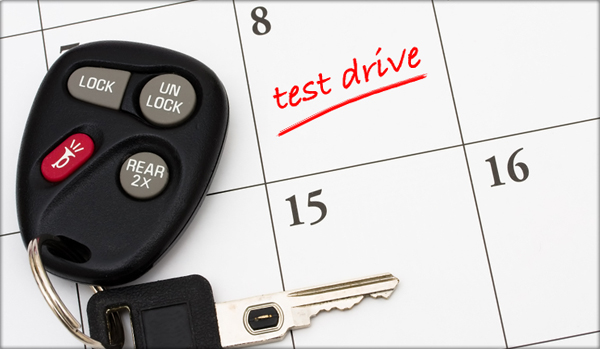
Scheduling a Test Drive:
Never skip this step. Get behind the wheel and see how the car feels. This is not just about liking the car, but also about ensuring it’s in the condition the seller claims. A test drive can reveal a lot about a vehicle’s state.
Getting an Inspection and Vehicle History Report:
Once you’re serious about a car, get it inspected by a professional. Additionally, request a vehicle history report. This is crucial for understanding the car’s past, like its maintenance history, any accidents, or potential issues.
Finalizing Paperwork and Payment:
If everything checks out and you decide to proceed, it’s time to finalize the deal. This involves signing a contract that outlines all the terms of your agreement, including repayment schedule, interest, and what happens in case of default. Make sure you understand every aspect of this contract. The payment process can often be facilitated through platforms like PrivateAuto, ensuring a secure and transparent transaction.

Each step is integral to ensuring that you make a well-informed decision. By following these steps, you engage in a process that’s not just about buying a car, but also about building a trust-based financial agreement with the seller.
Legal and Financial Considerations
When diving into the world of owner-financed car deals, understanding the legal and financial aspects is like having a roadmap for a safe journey. Here’s what you need to know:
- The Importance of a Legal Contract: This is non-negotiable. A written contract is your safety net. It should detail everything – the price, payment schedule, interest rate, and terms of what happens if you can’t make payments. Think of it as a guide that keeps both parties on the same track.
- Interest Rates: Unlike traditional bank loans, the interest rate in owner financing can vary significantly. It’s often subject to negotiation between you and the seller. Make sure the rate is fair and manageable for your financial situation. Remember, this rate can significantly affect the total amount you’ll pay over time.
- Payment Schedules: Flexibility is a key benefit here. You and the seller can work out a payment plan that suits your budget. Whether it’s weekly, bi-weekly, or monthly, ensure it’s a schedule that you can stick to.
- Repossession Risks: Just like with a bank loan, if you fail to make payments, the car can be repossessed. Understand the terms of repossession in your contract. It’s important to be aware of what could happen if your financial situation changes and you’re unable to keep up with
Inspecting the Vehicle
Before you seal the deal on an owner-financed car, inspecting the vehicle is a step you can’t afford to skip. It’s like getting a health check-up for the car to ensure it’s in the condition promised by the seller.
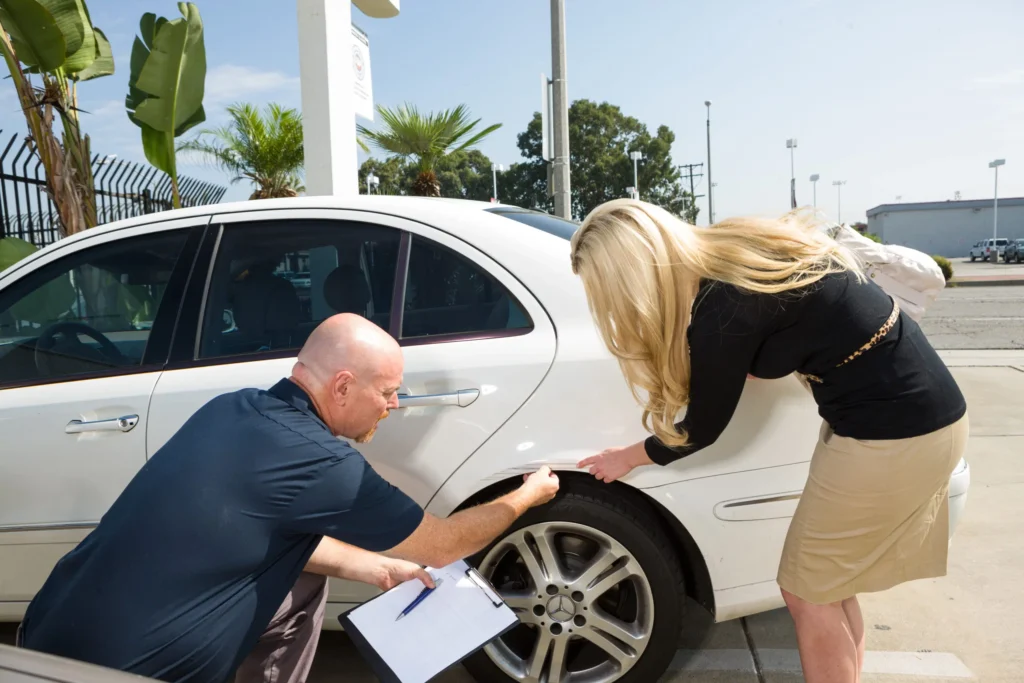
- Professional Inspection: Consider getting a professional mechanic to inspect the car. They can spot issues you might miss and provide an expert opinion on the vehicle’s condition. This step can save you from future headaches and unexpected repair bills.
- Vehicle History Report: It’s equally important to get a vehicle history report. This report can reveal crucial information about the car’s past, like accident history, service records, and previous ownership. Websites like Carfax or AutoCheck are good places to start.
- Test Drive and Personal Inspection: Besides the professional check, do your own inspection and test drive. Pay attention to how the car drives, any unusual noises, and the overall functionality of features.
Think of this process as detective work. You’re investigating to ensure the car is worth your investment, especially in an owner-financed arrangement where your financial commitment is directly with the seller. A thorough inspection can give you peace of mind and ensure you’re making a wise decision.
Completing the Transaction
Finalizing the sale of an owner-financed car is the last stretch of your journey. It’s where the deal becomes official. Here’s how it typically goes:
- Signing the Contract: First, you and the seller sign the contract that you’ve agreed upon. This contract should include all the details like payment schedule, interest rate, and the terms of the loan.
- Title Transfer and Registration: The car’s title must be transferred to your name. This is a crucial step that legally makes you the owner of the vehicle. The seller should provide you with the title, which you then take to your local DMV (Department of Motor Vehicles) to complete the transfer. You’ll also handle the registration process here, which may include getting new license plates and paying any necessary taxes.
- Secure Payment Transaction: Platforms like PrivateAuto come in handy here. They offer secure ways to transfer payments, ensuring both parties are protected. Through such platforms, you can manage payments without the risk of handling large sums of cash or exposing your bank details. It’s a streamlined process that adds a layer of security and ease to the transaction.
- Verification and Completion: Once the payment is made, the seller confirms receipt, and the deal is complete. You should now have the keys to your new car and all the necessary paperwork.
This process might seem a bit daunting, but it’s mainly about dotting the i’s and crossing the t’s to ensure everything is legitimate and above board. By the end of it, you’ll have not only a car but also the satisfaction of successfully navigating an owner-financed purchase.
Pros and Cons
When considering owner-financed cars, weighing the pros and cons is like balancing scales. Here’s a look at both sides:
Pros:
- Easier Qualification: Owner financing can be a boon if you have less-than-stellar credit. Sellers might not require the stringent credit checks that banks do.
- Flexible Terms: You might find more room to negotiate payment terms, down payments, and interest rates directly with the seller.
- Quick Process: Generally, owner-financed deals can be quicker to close than traditional financing, as you’re cutting out the middleman (banks).
Cons:
- Higher Interest Rates: Sometimes, sellers might charge higher interest rates than banks, so it’s important to negotiate and compare.
- Risk of Overpaying: Without the right research, there’s a risk of agreeing to terms that are not in your favor. Always do your homework on the car’s market value.
- Repossession Risks: Just like a bank loan, failing to make payments could lead to repossession. Make sure you understand the terms.
Avoiding Pitfalls:
- Research: Know the car’s value and understand typical loan terms.
- Inspection: Get the car inspected and check its history.
- Clear Contract: Have a well-defined contract that covers all scenarios.
In essence, owner financing offers a more personal and potentially more flexible way to buy a car, but it requires careful consideration, negotiation skills, and understanding of the financial implications. Always proceed with caution and ensure everything is documented.
Conclusion
Wrapping up, owner-financed car sales offer a unique route to car ownership, blending personal agreement and financial flexibility. It’s an alternative for those facing credit challenges or seeking a less traditional path. Key steps include a meticulous car inspection, understanding and drafting a detailed legal contract, and ensuring a secure transaction.
This approach, while offering benefits like easier qualifications and personalized payment plans, requires careful negotiation and awareness of potential risks like higher interest rates and repossession. Always proceed with clarity, thorough research, and informed decisions to ensure a successful and satisfactory purchase.
FAQs
Q: How does owner financing for cars work? A: In owner financing, instead of getting a loan from a bank, the buyer agrees to pay the seller in installments for the car. The terms, including interest rate and duration, are negotiated between the buyer and seller.
Q: What are the benefits of owner financing for buyers? A: Buyers often benefit from easier qualification processes, more flexible terms, and a quicker transaction, especially if they have credit issues.
Q: What are the benefits for sellers? A: Sellers might sell their car faster and can potentially earn interest on the loan. It also opens up the market to more potential buyers.
Q: Are there risks involved in owner financing? A: Yes, risks include higher interest rates, the potential of overpaying, and repossession risks if payments aren’t made. Both parties should ensure the agreement is fair and transparent.
Q: Is a legal contract necessary? A: Absolutely. A legal contract protects both the buyer and seller by clearly outlining the terms of the sale, payment schedule, interest rate, and what happens in case of non-payment.
Q: Should I still inspect the car and get a vehicle history report? A: Yes, always. Getting the car inspected by a professional and checking its history is crucial to avoid future issues and ensure you’re making a sound investment.
Q: How do I transfer the title and register the car? A: After completing the sale, the seller should provide the title to the buyer, who then needs to transfer it at their local DMV and handle registration, which may include getting new license plates and paying any necessary taxes.
Escrito por José Luis Villalobos — Escritor y fundador de JoseVendeAutos.com. Chileno radicado en Sacramento, California. Ha navegado el sistema de compra, seguro y financiamiento de carros en USA como inmigrante latino. Leer más →